

Why Storage Is Part of Contraception
Condoms are often bought, tucked away and not used until weeks or months later. That is exactly why storage matters. A condom can only provide reliable protection when both the material and the packaging are intact. Heat, light, moisture, pressure and friction can all degrade quality — even if the product was originally in perfect condition.
Always Check the Expiry Date
Condoms have an expiry date. After it passes, latex or other materials can become more brittle, and lubricants or coatings may deteriorate. An expired condom should not be used. Anyone who buys condoms in bulk should use older packs first and check dates regularly.
Good and Bad Storage Spots
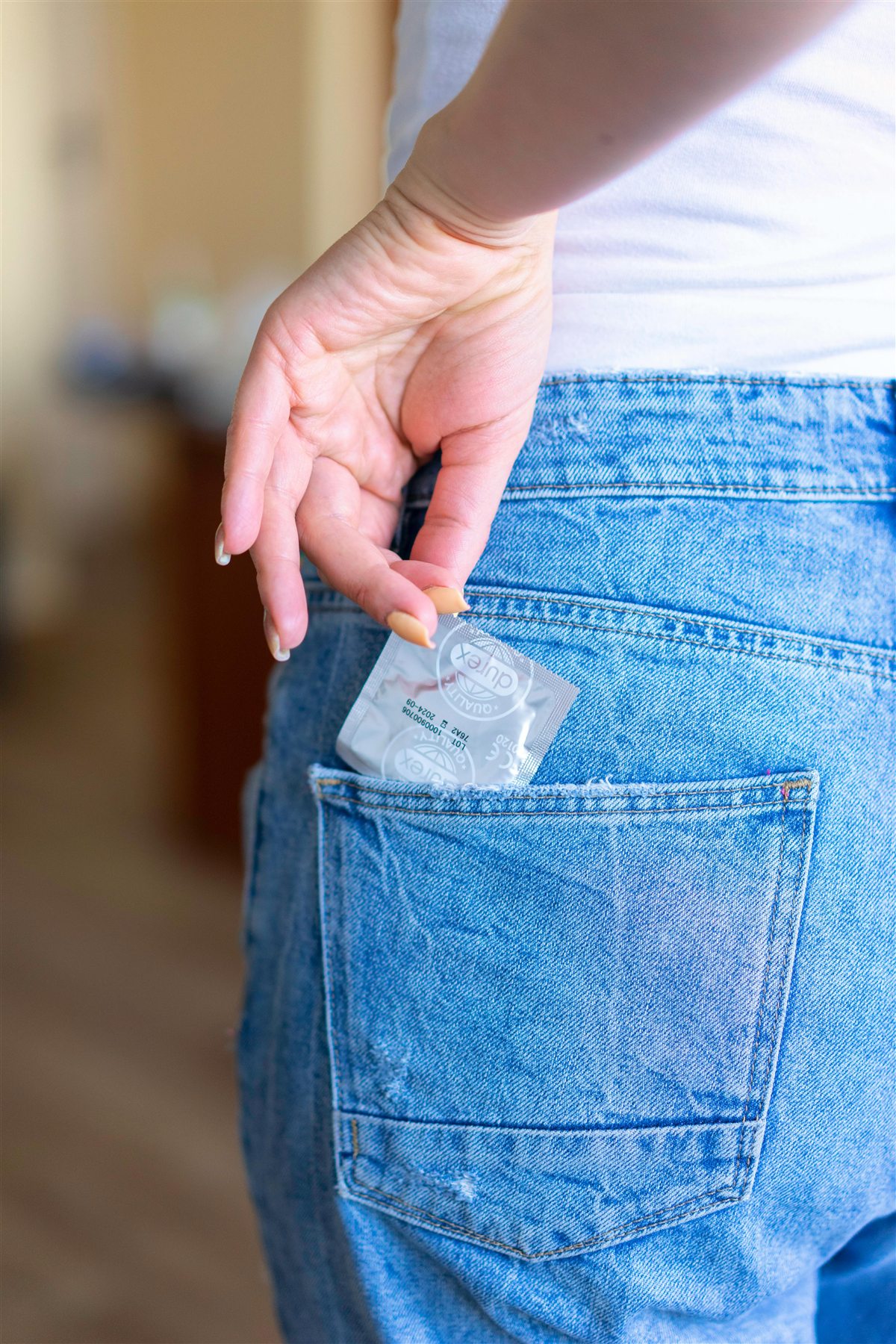
Ideal storage locations are cool, dry and protected from light — such as a bedroom drawer. Poor choices include the car, a windowsill, the bathroom, near a radiator, a wallet or a trouser pocket for extended periods. In these places, heat, moisture, bending or friction affect both the packaging and the material.
Carrying Condoms On the Go
Anyone who wants to carry condoms on the go should avoid keeping them loose among keys, coins or cosmetics. A small protective sleeve or a separate compartment in a bag or backpack is a better option. It is important to replace condoms regularly if they are frequently carried but not used.
Inspect the Packaging Before Use
Before opening, take a quick look at the foil wrapper. If it is torn, sticky, noticeably flat, inflated or visibly damaged, the condom should not be used. A missing air cushion can also be a warning sign. When in doubt, use a fresh condom.
The Bottom Line: Good Storage Is Simple Risk Reduction
Storing condoms properly takes very little effort, yet it can prevent far more problems than most people realise. A cool, dry and light-protected location is best for preserving both the packaging and the material. Regularly checking the expiry date and discarding damaged packs eliminates the most common storage mistakes. The wallet is particularly underestimated: pressure, body heat and friction attack the foil — often without any visible damage. Condoms should only be carried for short periods while out, ideally in a small protective sleeve or a dedicated compartment. Anyone who builds these simple habits into their daily routine significantly reduces the risk of condom failure caused by storage damage.